 By usatoday crossword
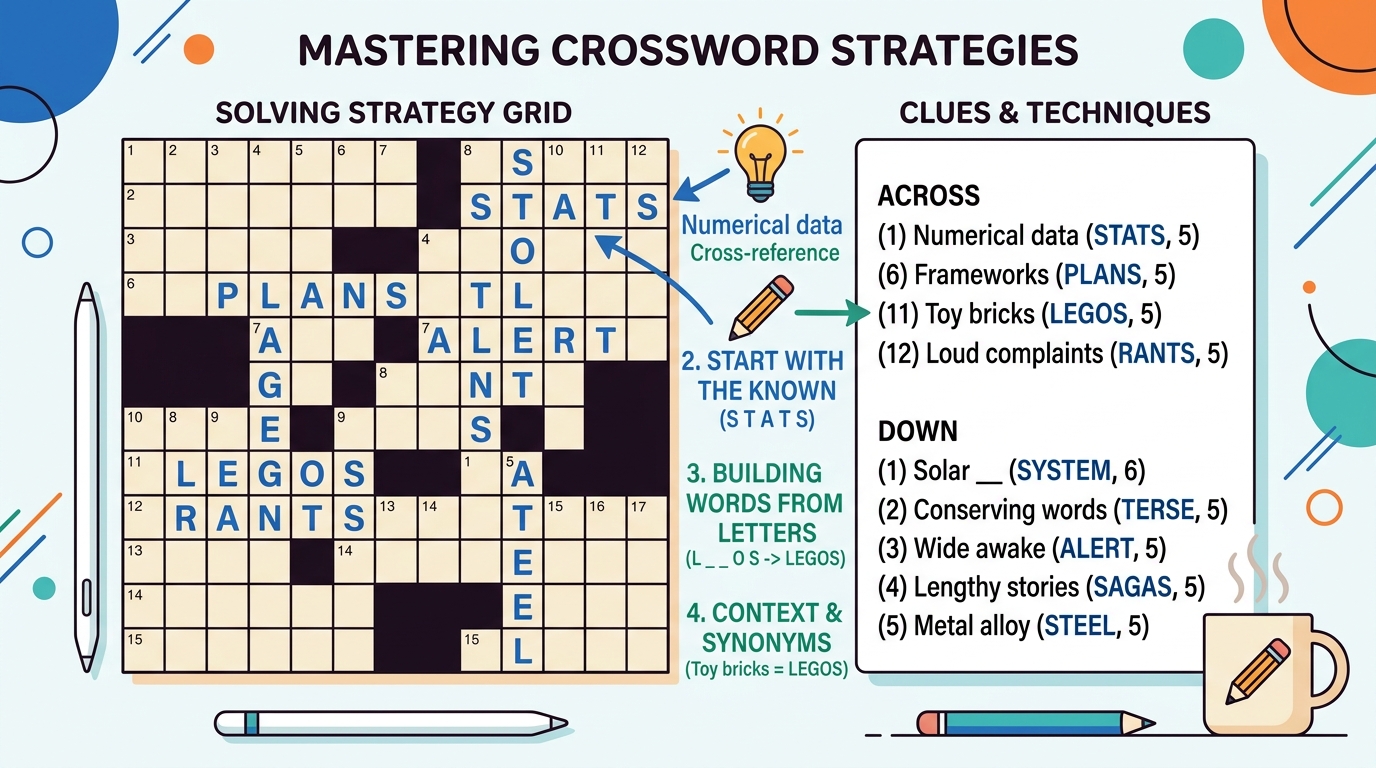
crossword tournament division scoring rules provides curious puzzle lovers with a thoughtful, engaging window into why crossword remains an essential part of daily life across the globe. Whether you are solving during a quiet morning commute, taking an intentional mental pause during a busy afternoon, or relaxing at home in the evening, a single puzzle session offers a pocket of clean deductive clarity. Here on USAToday Crossword, our mission is to connect players with the stories, structural rules, and practical problem solving habits that make every round deeply rewarding.
You can dive into a fresh, responsive board right now on the USAToday Crossword playable main page. If you enjoy exploring a broader variety of classic daily challenges across different genres, be sure to visit Easy Daily Puzzle or browse the full collection of crossword puzzles on Easy Daily Puzzle.
crossword tournament division scoring rules: the story and strategic heritage of crossword
At the American Crossword Puzzle Tournament (ACPT), division scoring represents a high-stakes balancing act between raw typing velocity and surgical accuracy. Under founder Will Shortz’s scoring system, contestants earn ten points for every correct word and twenty-five bonus points for each minute saved ahead of the clock. However, the system enforces a devastating accuracy threshold: a single incorrect letter wipes out the entire one-hundred-and-fifty-point clean grid bonus. In competitive divisions where top solvers are separated by paper-thin margins, entering an unverified guess can ruin a year of tournament preparation. Champions like Dan Feyer prioritize crossing verification above all else, proving that disciplined accuracy is the true engine of tournament victory.
Understanding the principles behind crossword tournament division scoring rules enriches how we appreciate these timeless games on modern digital screens. What began as handcrafted pastimes on paper, wooden boards, or parlor card tables has successfully adapted across generations while preserving its core appeal. Every move, deduction, or tactical pause you make today connects back to that rich legacy of patient problem solving. When players recognize the origins and milestones of their favorite pastimes, daily play feels less like routine clicking and more like participating in a living global tradition.
Historical records and trusted sources behind crossword tournament division scoring rules
Separating verified puzzle history from casual lore requires consulting reliable archival and rule-keeping organizations. For readers interested in examining primary historical sources, international tournament records, or technical analyses, trusted publications such as American Crossword Puzzle Tournament official page and Crossword tournament history of Wynne's grid provide deep, factual documentation. These authoritative sources highlight the inventors, mathematicians, and dedicated communities who have nurtured these games through the decades. Whether you are researching scoring formulas, historical patent archives, or competitive rulebooks, solid evidence reminds us that thoughtful design endures.
How crossword tournament division scoring rules guides player decisions in real games
Picture yourself facing an intimidating corner where an unfamiliar across clue intersects three short down entries. The impulsive reaction is scribbling the first word that fits the letter count, hoping crossings will adapt. With crossword tournament division scoring rules, you inspect the clue grammar, check for plural indicators, and evaluate whether a question mark signals playful misdirection. Testing that tentative guess against perpendicular crossing letters saves you from rewriting half the grid when an intersecting consonant refuses to work.
Great crossword solving is a masterclass in patient deduction and vocabulary recall. Taking a moment to verify crossings turns an intimidating puzzle into a series of satisfying breakthroughs. The real pleasure comes from watching perpendicular letters confirm your instincts, creating a cascade that unlocks the entire quadrant.
Essential player habits connected to crossword tournament division scoring rules
- Fill your most certain clues first to establish reliable letter anchors throughout the grid.
- Double-check clue tense, plural forms, and abbreviation flags before writing.
- Keep tentative guesses soft until intersecting crossing letters corroborate them.
- Circle back to difficult wordplay clues after neighboring entries provide fresh letters.
Why clean visual design elevates crossword tournament division scoring rules
A clean visual presentation makes all the difference when enjoying crossword online. The featured illustration accompanying this article is chosen to highlight the focused atmosphere of play, free from distracting clutter or confusing brand marks. Having an accurate visual reference paired with descriptive alt text celebrating crossword tournament division scoring rules ensures that readers can immediately grasp the game state and follow along comfortably. Whether on desktop monitors or mobile screens, crisp contrast and uncluttered design help keep your attention centered on the puzzle itself.
Taking your next step with crossword tournament division scoring rules
The most rewarding way to experience the benefits of crossword tournament division scoring rules is to test these insights in an actual round today. Head over to USAToday Crossword to enjoy a relaxing session with fresh perspective, focusing on deliberate choices rather than rushing the clock. Whenever you feel like broadening your horizons with crosswords, jigsaws, or classic card games, explore the Easy Daily Puzzle game library for endless daily variety. Great puzzle solving is not about chasing frantic records; it is about the quiet satisfaction of bringing order to a scattered board, one thoughtful move at a time.