 By usatoday crossword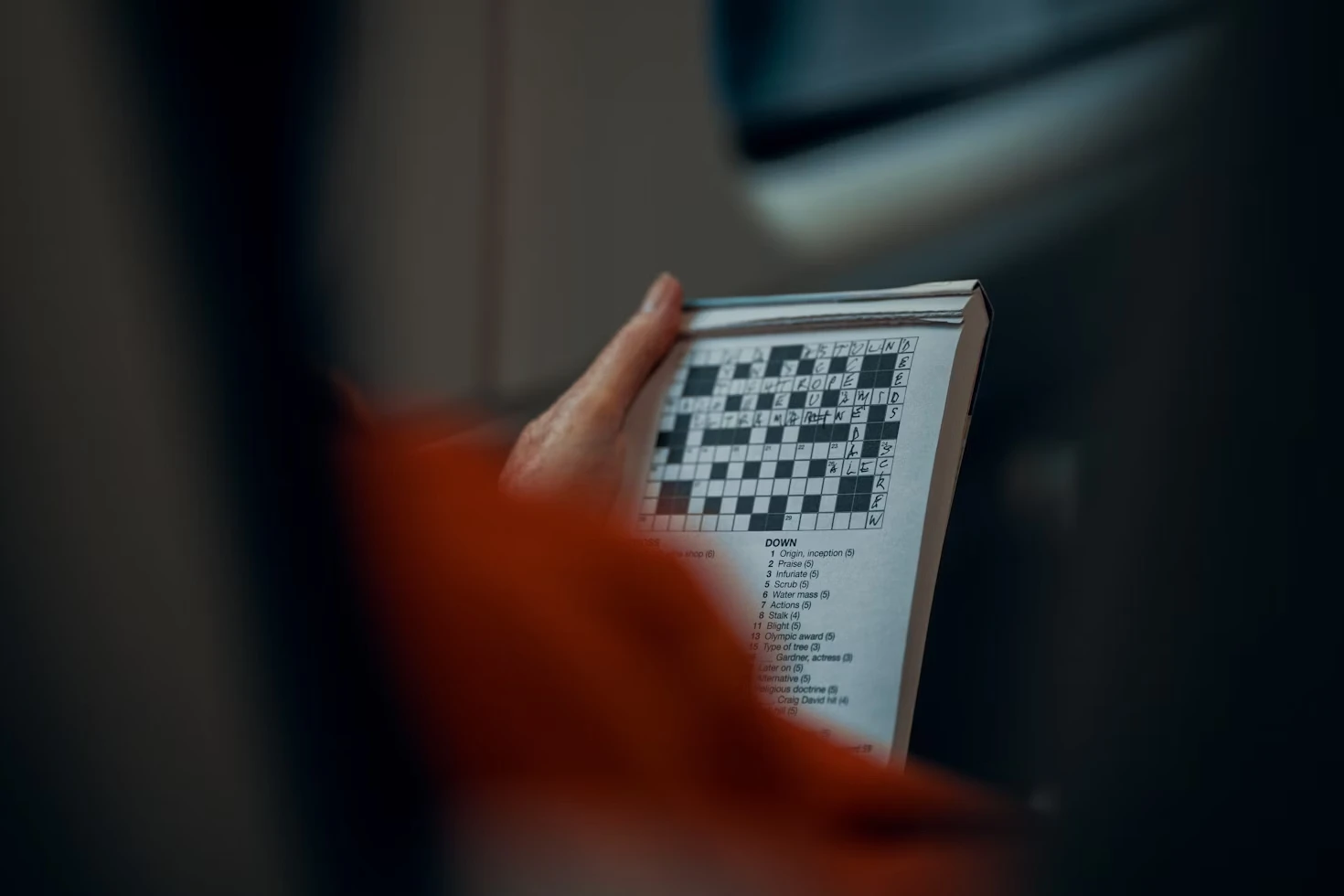
The word puzzle is an interesting and challenging way to test your brain, build your vocabulary, and even pass time. Whether you’re new to the daily puzzles in the paper or an experienced player with a book full of them, there’s always room for improving your skills and there’s an explosion simultaneously.
So, in this blog article, we’re going to look at some of the tips and strategies that are necessary to help you become a master of puzzles. If you’re an online gamer trying to solve your puzzles at the next level, you’re in the right place!

Vital Counsel
Before we get involved in the funny strategy, there are some basic tricks that can make a difference in the puzzle.
- Start with easy clues: It seems obvious, but a lot of people go straight for the lead. Start with the clues you find easy and fill in. This will give you letters that can help you resolve the harder leads.
- Work above and under the lead: Not only is it tied to either cross or down lead; between two! Sometimes, solving one will give you the letters you need to answer another. This second approach will be easier to fill in the entire puzzle.
- Use pencils (if you’re not online): If you are solving a word on paper, use a pencil to clear an error. If you’re doing it online, don’t worry–s Online allows you to remove and correct your answers easily.
Calm down and don’t think too much: some clues are designed to deceive, but often the answer is simpler than you think. If you’re stuck on a lead, turn to another lead and come back to it then. Sometimes the answer comes in your head when you don’t focus too much on it.
Resolve tactics
Once you’ve got the basic down, it’s time to focus on some specific strategies that can help you solve the puzzle faster and more accurately.
- Look for multiples and tensions: If a clue requires a number of answers, the word “cue” often ends with the word“ SSS or only a number in some way. Similarly, if the lead is past, the answer may end with “ED”. Notice these little details can save a lot of time.
- Think of the usual phrases: Many word puzzles use common phrases or phrases to answer. If you see a lead that seems too simple or vague, it can be part of a phrase.
- Watch the shorts: Some of the clues will use abbreviation, and in those cases, the answer is often also abbreviation. If the clue is “YEC, then the answer may be “The flight, the short speed for the Tri-Stet area. Paying attention to abbreviation can help narrow down the answer.
- Fill in the general words: Many puzzles rely on brief, common words to fill the gap, such as “E. These words often appear repeatedly and know that they will help you to fill in the parts of the puzzle more quickly.
Of course, many strategies you use will be developed over time, and in some cases, it really depends on the kind of puzzle you play. Some puzzles tend to be attached to the same subject or they may have laws ban things like plural. You can also note a general pattern with the words they chose and the way they decided to write it suggested, so you also have a lot of experience to play here!
Common Error
Even experienced people make mistakes, and that’s okay! Learning from them is part of the process. This is some of the most common mistakes and ways to avoid them.
- Give the answer: It can be the temptation to bring a word into the puzzle without being entirely appropriate. However, forcing people to respond can add to their confusion. If a word does not seem to fit with other answers, delete or remove, and try again.
- Skip Theme: Many puzzles, especially in newspapers or online, have topics. The subject gives you a hint of the answer in some areas of the puzzle. Ignoreing the subject can make it harder to resolve, so always pay attention to the title or any suggestions provided from the beginning.
- No lead reading: Sometimes the smallest word in a hint can make a big difference. Words such as “may be the article“ Perhaps in a certain language, it is perhaps a lecture or means a literal but easier to understand. To ignore these words can lead you astray.
- Pass it: Trying to solve the puzzle too quickly can lead to mistakes. Take time and check your answers, especially when you aim for more precision than speed.
Train to Be Perfect
One of the best ways to do better in the simple puzzle game is to practice playing more puzzles! The more puzzles you solve, the easier it will be to recognize the usual patterns and clues. Try to solve different types of puzzles, from simple to more advanced puzzles.
If you’re just starting, it’s easier to use puzzles and work your way up to harder questions. It is increasingly difficult for you to grow more confident. Online platforms often allow you to monitor your progress, and many people come up with everyday puzzles that help you develop skills over time.
Decrypt Resources
There’s nothing to be ashamed of using resources to help you solve puzzles, especially when you’re learning. Here are some tools and tricks that can give you an advantage.
- The decimal dictionary: These are the specialized dictionarys that provide the answers to the puzzles. They’re available online and in print. Having one in your hand can be extremely useful when you’re stuck with a hard lead.
- Online puzzle: If you are completely subdued, you can use online tools that will give you answers that can be based on the letters you already have. These tools are fast and can help you overcome really difficult points, but try not to rely on them too much – your own puzzles will bring many rewards!
- Cross application: There are many applications for the puzzle game that can help you practice and improve. Some of these applications have suggestions, timers, and other features that make them a great tool to build your skills.
Building Vocabularies
The wording puzzle is not just the solution – but the learning! One of the best benefits of the puzzle game is that they help you build a strong vocabulary.
- Learn new words: When you meet a word you don’t know, find it! Over time, you will begin to notice some rare words appearing frequently in the puzzle.
- Research of Sources: Understanding what comes from anywhere can help you to guess the answer. Many puzzles use Latin, French, or other languages. Knowing the origin and basic meaning can give you clues about the answer.
- Focusing on the word friendly to the puzzle: There are some words that appear more frequently than others in the puzzle game, often because of the way their letters fit into the net. Learning these words can help you to solve the riddle more quickly.
Set Goals
If you are serious about improving your literacy skills, you should set goals for yourself. Set goals that can help you focus and motivate you to monitor your progress over time.
- Set time goals: Try to finish a puzzle game for a limited period. Start with a reasonable goal, like 15 or 20 minutes for a new puzzle start, and gradually reduce your time as you progress. Many of the platforms that play an online puzzle focus on your best time, making it easier for you to see your progress better.
- & Increase Hardness: Once you’ve mastered the newly started puzzles, start studying harder questions. Your goal is to keep challenging yourself. Don’t worry if you don’t solve a puzzle immediately because it’s part of learning.
- Track your streak: Some online platforms allow you to monitor how many days you have solved a puzzle. This flashy feature is a great way to maintain consistency and set small goals for yourself, such as solving puzzles every day for a week or a month.
A great way to keep your goal is to just play more, and this is where the puzzles are as convenient as 24/7. You can download the website and play the wording whenever you feel like it with all the comforts of an online puzzle game, like deletion, different difficulties, daily challenges, and follow your profile.
Driven to Stay
It’s easy to get upset when you’re stuck in a clue or you can’t solve a puzzle, but the key to mastering the puzzle is to remain motivated.
- Join a Community: Many puzzle fans are part of the online community or forum, where they discuss puzzles, tips share, and even compete in solving challenges. Being part of the community can make the puzzles more interesting and appealing.
- Celebrating Little Victory: Each time you solve a riddle, celebrate your success! Whether it is completing an easy puzzle or completing a difficult puzzle without a hint, each victory is recognized.
- Enjoy the ride: Finally, remember that puzzles must be fun. Don’t get too nervous if you can’t solve every lead. The more you practice, the better you do, and in time you will see how your skills have improved.
The important thing is not to be stressed out about puzzles. It’s a fun game to enjoy–not is a competitive effort!
Conclusion
Mastering the puzzle takes time, patience, and exercise, but with the right tips and strategies, anyone can improve. Start with the basics, the regular, and most importantly, enjoy the process!